Monthly Chartbook - A New Consensus?
MAY 08, 2023 • 27 Min Read






How are we already one-third of the way through 2023? Well, as a wise man once said: “Time flies when the market is intent upon separating you from your capital.” – Jason Pagoulatos
Market Musings
This month’s musing has less to do with “the market” per se and everything to do with “the system” we’ve come to see as constant and never-changing.
Ever since the fall of the Berlin Wall in 1989, the Washington Consensus has been the dominant paradigm for understanding the global political economy.

The “Washington Consensus” refers to the set of economic policies that the United States and international financial institutions, such as the International Monetary Fund and the World Bank, promoted in the late 20th century. These policies emphasized globalization, free trade, deregulation, and privatization.
Following the Cold War, this “consensus” became gospel. The international order was seen as perfect — the foundation for a “flat world” and the “end of history.” This last phrase comes from Francis Fukuyama’s book The End of History and the Last Man, where he argued that the triumph of liberal democracy and free-market capitalism represented the ultimate form of human government and economic organization, and no viable alternative system could challenge it.
For a time, this end-of-history narrative was salient. The collapse of the Soviet Union and the spread of market-oriented economic policies in China and other developing countries seemed to confirm the inevitability and superiority of the liberal worldview.
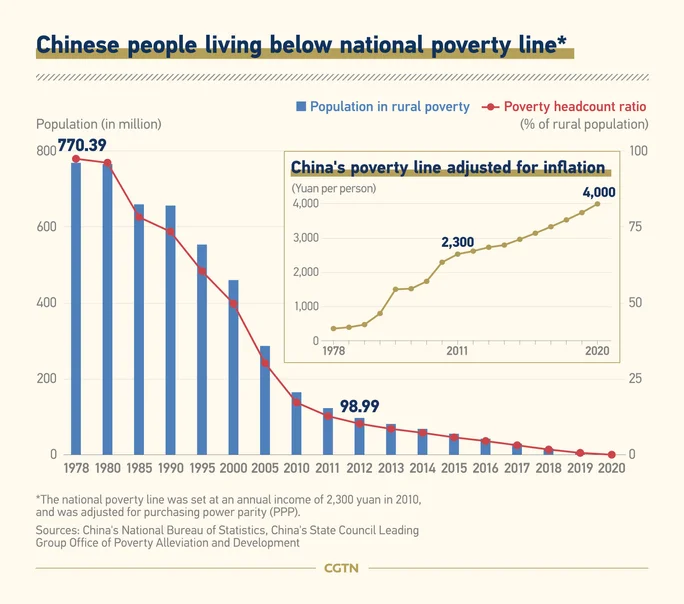
Thanks to globalization, the Chinese Miracle lifted hundreds of millions out of poverty
However, in recent years, this consensus has shown signs of fraying.
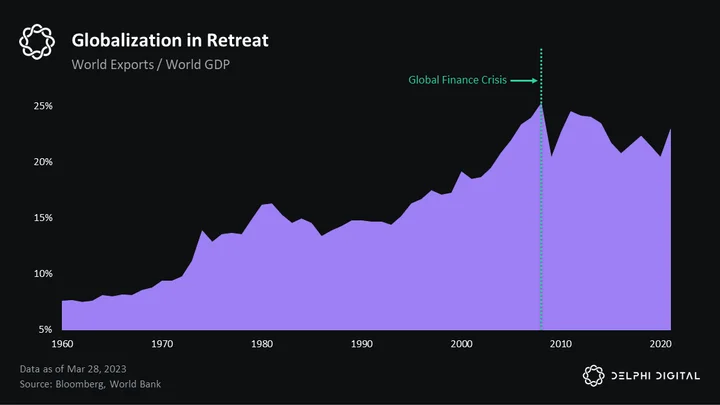
One driver behind this shift is the growing awareness of the negative effects of liberal free trade policies on working-class and middle-class communities in developed countries.
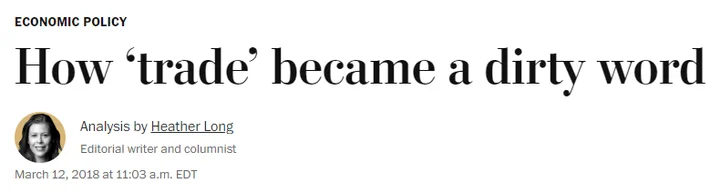
In the United States, the decline of manufacturing jobs, wage stagnation, and growing income inequality have fueled a populist backlash against free trade.
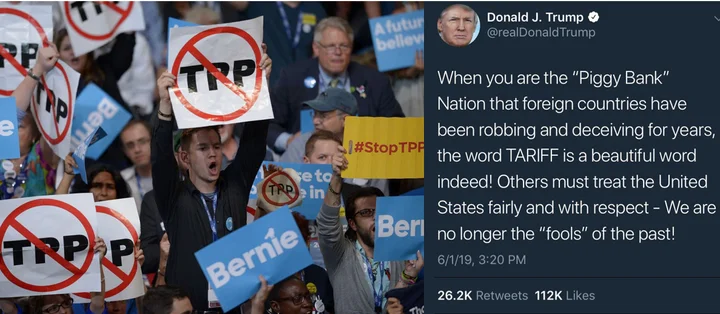
Many Americans feel that their economic prospects have been hurt by globalization, and they are skeptical of the benefits of free trade agreements such as NAFTA and the TPP.
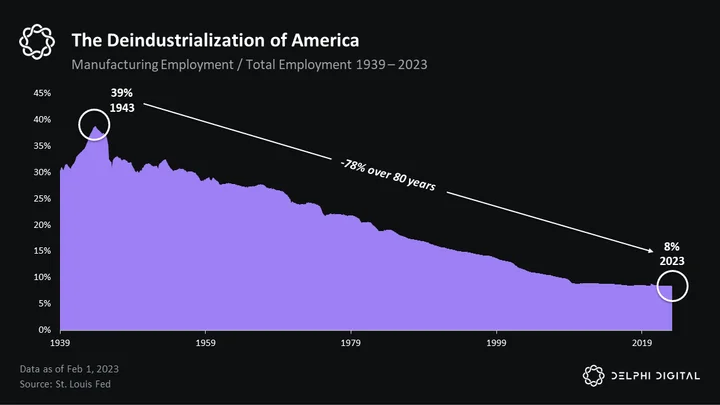
The adverse impact of the old Washington Consensus is not lost on President Biden.
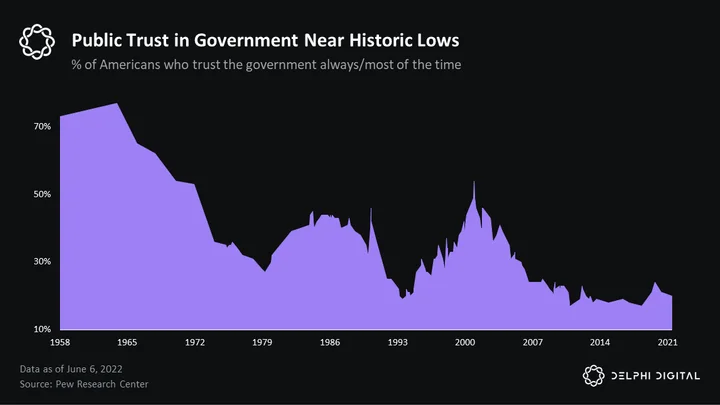
From the jump, the Biden administration championed a “foreign policy for the middle class” — a smart-sounding slogan that, up until last week, meant very little. This changed on April 27th, when U.S. National Security Advisor Jake Sullivan gave a speech outlining the administration’s international economics agenda to date and the way forward.
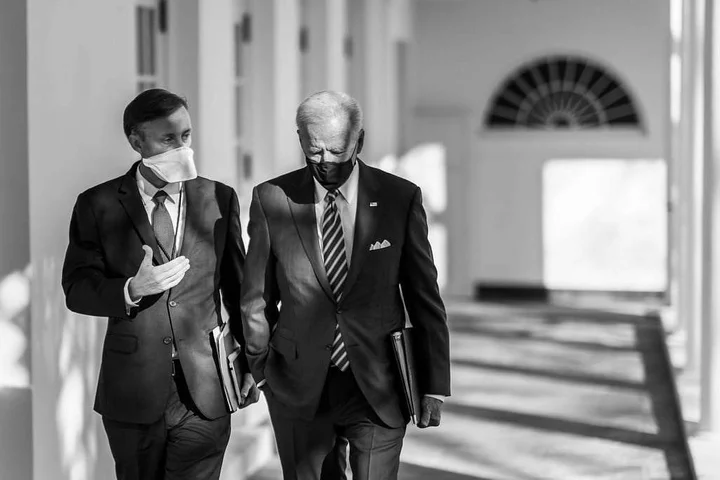
Mr. Sullivan is widely seen as the architect of President Biden’s ambitious legislative agenda
Similar to Mr. Sullivan’s earlier landmark speech on semiconductor export controls — where he shattered precedent by asserting that the U.S. seeks to “maintain as large a lead as possible” — this latest speech marks yet another major turning point in the U.S. government’s thinking and posture.
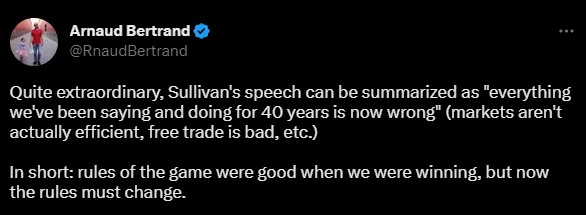
However, this time, it’s not just about rethinking chip rules, but rather the rules that govern global trade itself.
Despite somehow flying under the radar (amid the MET Gala, F1, and Kentucky Derby), this speech will likely be studied generations from today as a profound shift in America’s approach to capitalism.
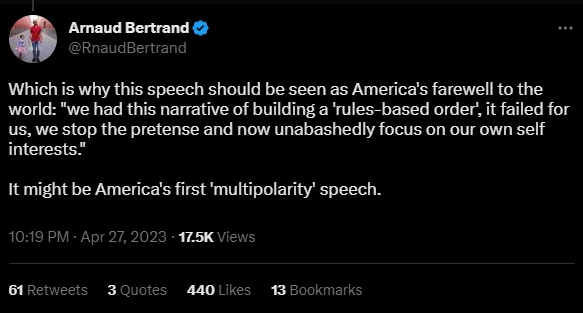
And with that, enough waffling, let’s dig into the speech itself.
The TLDR:
It’s time to build, at home and abroad. This will require a major reorientation of domestic and foreign policy. The goal is no longer to trade for trade’s sake or free markets as ends unto themselves; we have larger, more urgent aims — rebuilding our energy, physical, and technology infrastructure. And we’ll do it via targeted public investments that crowd in private capital to deliver good jobs.
This is the surest path to all four major challenges of the day: (1) resurrecting the middle class, (2) sowing political support for further decarbonization, (3) out-competing China, and, through all of this, (4) repairing faith in democracy itself. In Sullivan’s view, these challenges “demand that we forge a new consensus.”
This so-called “New Washington Consensus” detailed several elements of new economic thinking worth mentioning:
-
Markets don’t always allocate capital in socially optimal ways
-
Trade liberalization shouldn’t be pursued for its own sake
-
Prioritizing finance over the real economy was a mistake
-
Economic integration doesn’t lead to alignment on other values
-
Climate crisis and economic inequality change everything
-
Trickle down, labor union squashing, tax cuts, deregulation, and corporate concentration made things worse
-
China shock wasn’t adequately anticipated or addressed
-
Combined result endangered democratic stabilit
Read the full report
This report is part of Delphi Pro.
- 800+ Pro reports across every major sector
- Talk directly with our analysts
- Private community of funds and builders
Already a Pro member? Log in
0 Comments