The Monthly Chartbook is a collection of interesting charts and trends we’re watching across crypto and markets. This month’s edition focuses on:
- Monthly Market Musings
- Macro Outlook
- Crypto Market Review: Market Structure & On-Chain Observations
- L1s, L2s, & DeFi Analysis
- NFTs & Gaming Analysis
Market Musings
“People hate to think about bad things happening, so they always underestimate their likelihood.”
Jaime Shipley, The Big Short

Investors are people, and they, too, underestimate the likelihood (and duration) of bad things happening. So far, 2023 is shaping up to be a case study in this kind of wishful thinking.

“Wishful thinking” – Midjourney
By the time 2022 mercifully came to an end, market participants were tired of, well, bad things happening. At the turn of the new year, investors started looking for signs — any signs — of a bottom, reversal, pivot, or soft landing. Pick any bullish verb you want — investors were talking about it.
Perhaps it was the calendar change that boosted animal spirits, or the increase in global liquidity driven by China’s PBoC and the Fed, which we noted in our January 2023 Chartbook.
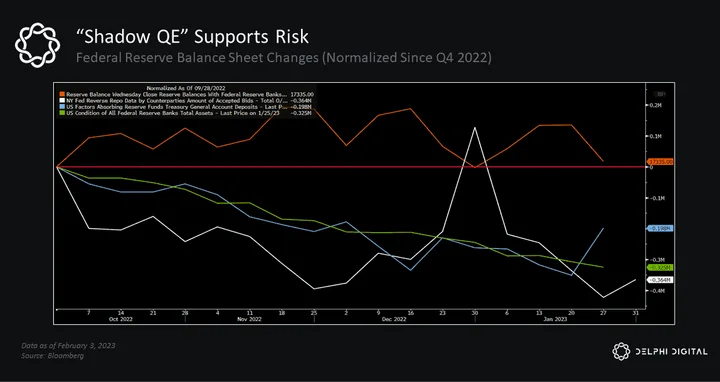
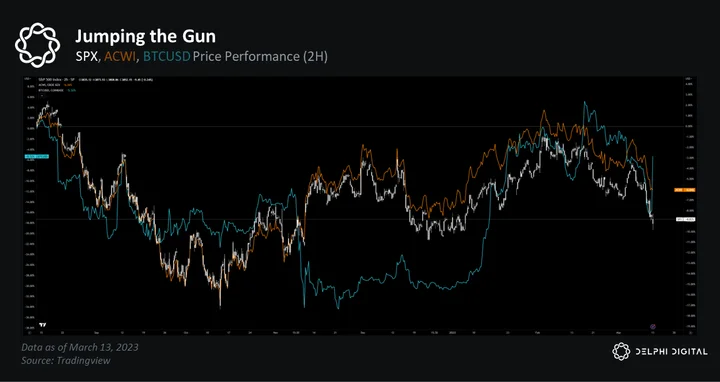
Either way, risk assets rallied hard through mid-February.
For a while, it seemed the global economy was ready to leave behind pandemic-era chaos, the same chaos that triggered a supply chain crisis and led grocery stores to post security guards in the, uhh, toilet paper aisle…

However, come mid-February — which derives from the Latin word “februa,” meaning “to cleanse” — the mood began to darken. January’s cross-asset bullishness started to look premature as supply chains and inflation unexpectedly reemerged as market boogeymen.
This abrupt ~vibe shift~ has confounded investors who for months were calling for falling inflation and peak rates — a call that, in many ways, is supported by data. Let’s dig in.
Since the start of 2023, we’ve received several data prints that suggest global supply chains are normalizing, supporting the “covid is long over” narrative.
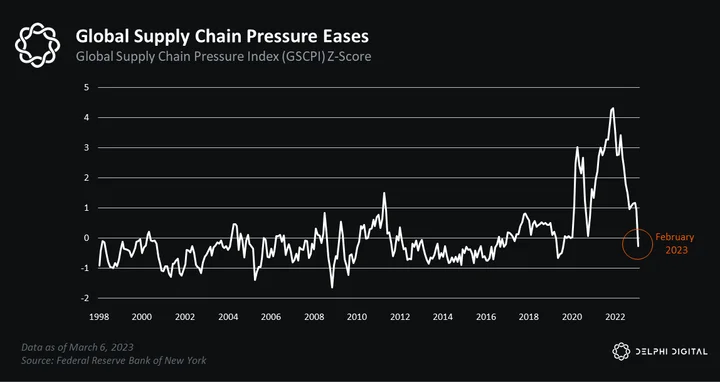
There are no more security guards posted in toilet paper aisles, so things must be back to normal, right?
Well, judging from how much shipping companies pay to move stuff, aka “freight rates,” much of the supply chain is back to normal. In fact, Barclays believes shipping costs “will likely go below pre-pandemic levels or, at best, back to where they were pre-pandemic given current trends.”
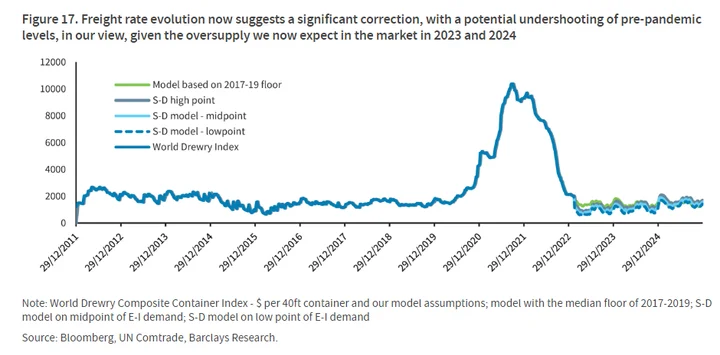
A loosening supply chain and plummeting freight rates combine to paint a picture of a rapidly slowing economy saddled with a glut of goods. This mix should lead to a significant deflationary impulse.
However, the Fed’s preferred inflation gauge, the PCE, is telling a different story.
After rolling over in the backend of 2022, the Personal Consumption Expenditures Index (PCE) — a basket of goods and services that reflect how much a typical household spends — unexpectedly surged in January.
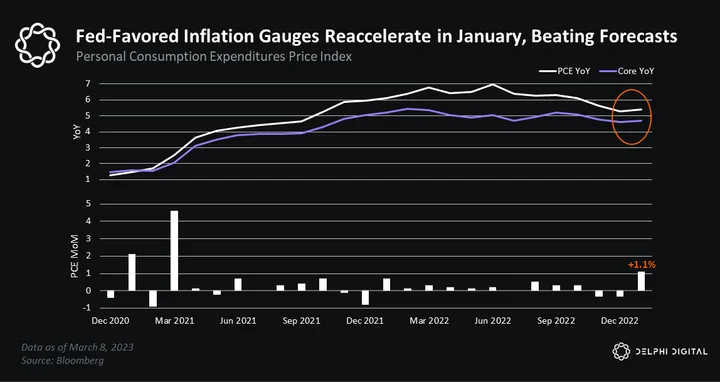
The print lends credence to the idea that inflation will remain sticky and a strong U.S. consumer will force the Federal Reserve to keep rates “higher for longer.”
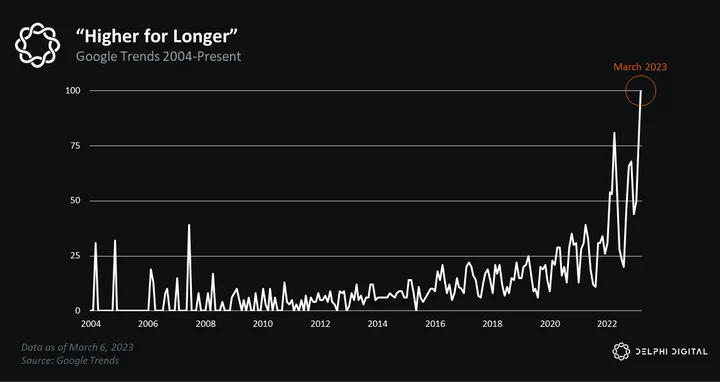
The hot PCE print surprised the market, with many expecting deflationary signals like falling freight rates and easing supply chains to materialize in a cooler PCE number. Perplexed investors are now beginning to price in a second wave of inflation.
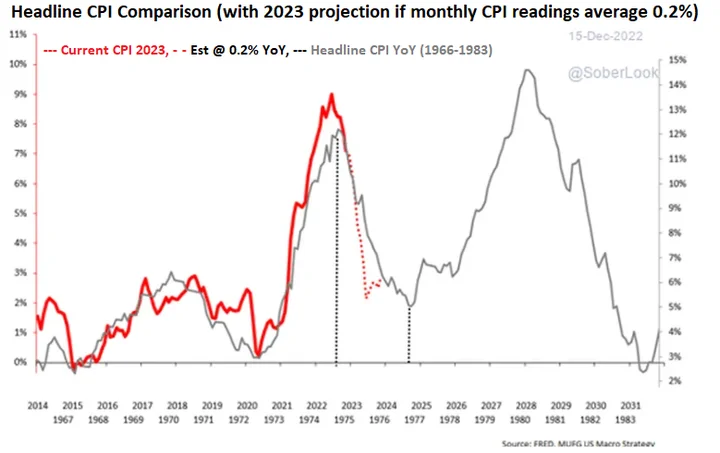
The key question now is: what exactly is driving this inflationary flare-up?
There are two schools of
Read the full report
This report is part of Delphi Pro.
- 800+ Pro reports across every major sector
- Talk directly with our analysts
- Private community of funds and builders
Already a Pro member? Log in






0 Comments