Summary of the “Fuel Report”
The report offers an in-depth look at Fuel, a Rollup Operating System (Rollup OS) and Virtual Machine (FuelVM), highlighting its capacity to redefine app-layer innovation and address the performance, scalability, and flexibility challenges of current blockchain systems.
Key Takeaways
1. FuelVM: A New Paradigm for Blockchain Execution
-
Register-based VM (vs EVM’s stack-based): More efficient computation and better suited for scaling.
-
UTXO Model + Parallel Execution: Enables higher throughput and faster confirmation.
-
State-Minimized Design: Keeps full nodes lightweight and accessible, even on consumer hardware.
-
Sway Language: Rust-inspired, built specifically for FuelVM, offering safety and performance.
2. Fuel’s Rollup OS: Beyond Ignition
-
Ignition is the first rollup built on FuelOS, currently Stage-0, aiming to scale from 600 TPS → 5,000 TPS → 100,000+ TPS as Ethereum’s DA layer matures.
-
[REDACTED]: A high-performance Fuel implementation targeting gaming and AI, using ALT-DA with performance goals of 150K TPS and 1ms latency.
3. Decentralizing the Sequencer
-
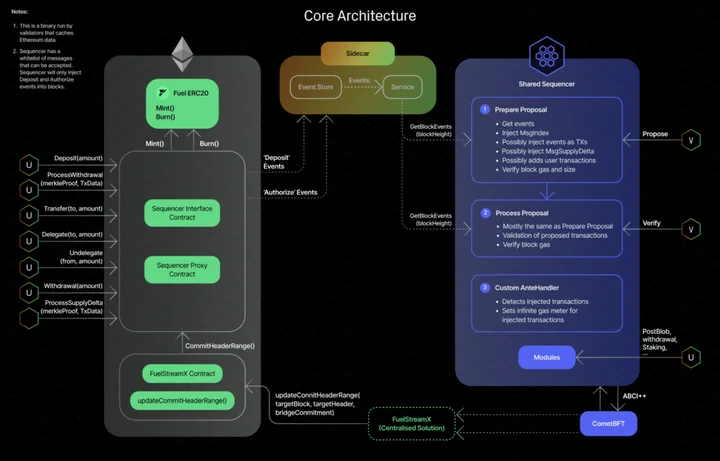
Fuel aims to break the centralization bottleneck with a multi-validator sequencer model, lightweight enough to run on consumer hardware.
-
Features like MEV auctions, ZK-proof verified messages, and FuelStreamX for Ethereum communication are included.
Application Layer Innovations Enabled by Fuel
4. Financial Use Cases
-
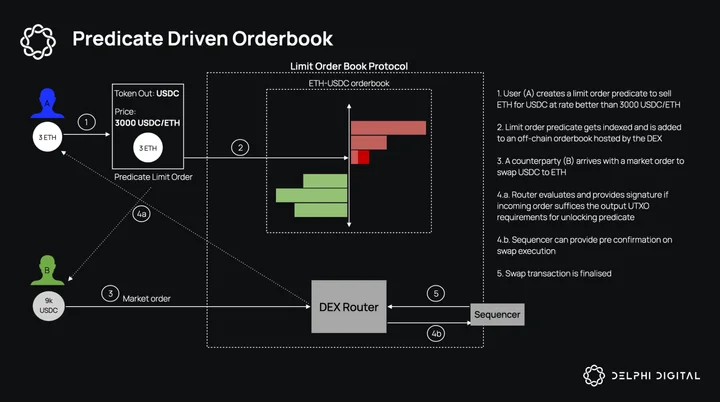
Reimagined Orderbooks: Predicates enable trustless, gas-efficient P2P markets.
-
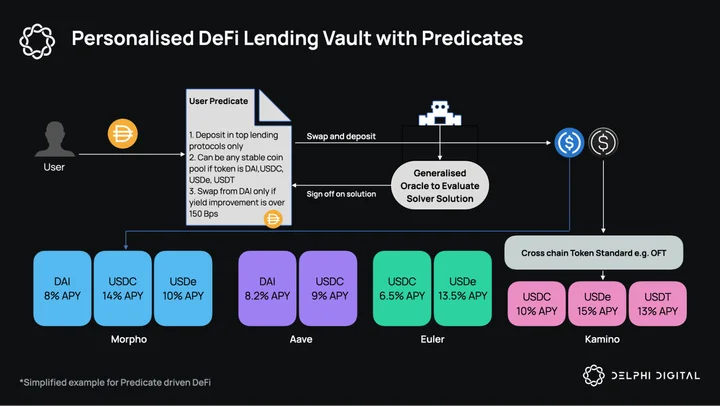
Personalized Financial Products: AI + user-defined predicates for tailor-made vaults, lending, and swaps.
-
Programmable Payments: Subscription, escrow, tax, royalty, and conditional payments made cheap and customizable.
-
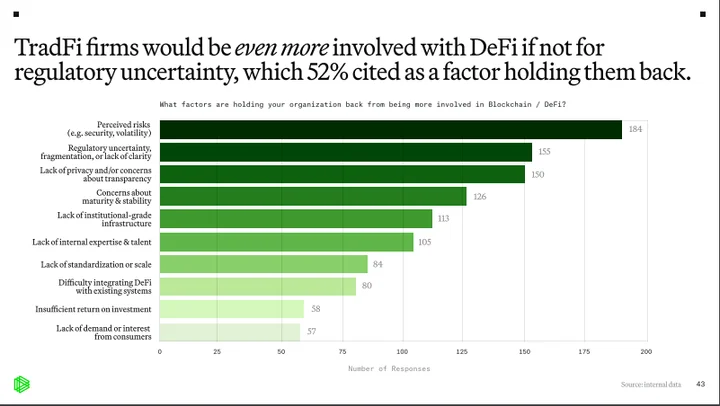
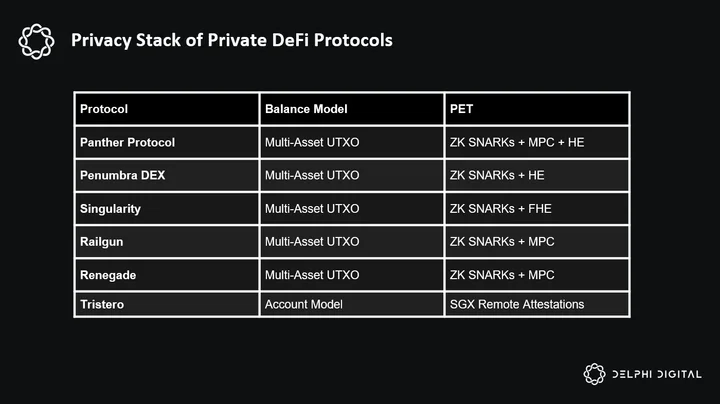
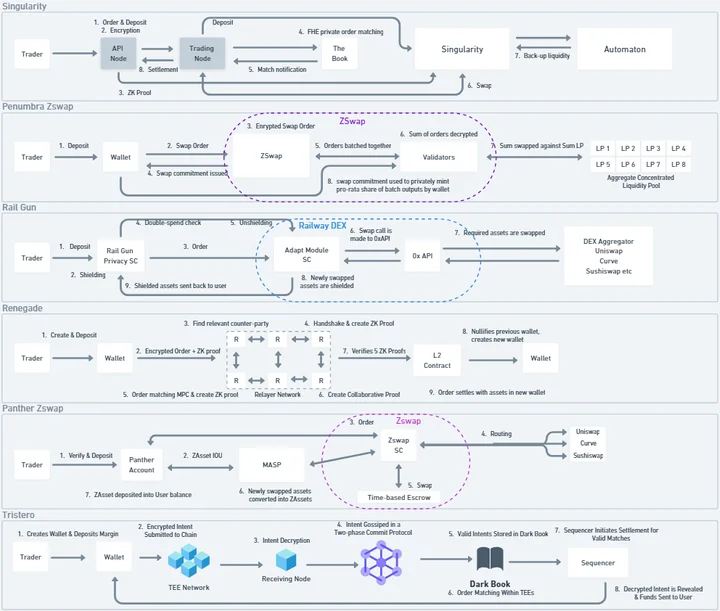
Private DeFi: With native ZK support + UTXO model, Fuel is well-suited for compliant, anonymous DeFi.
5. DePIN & Micropayments
-
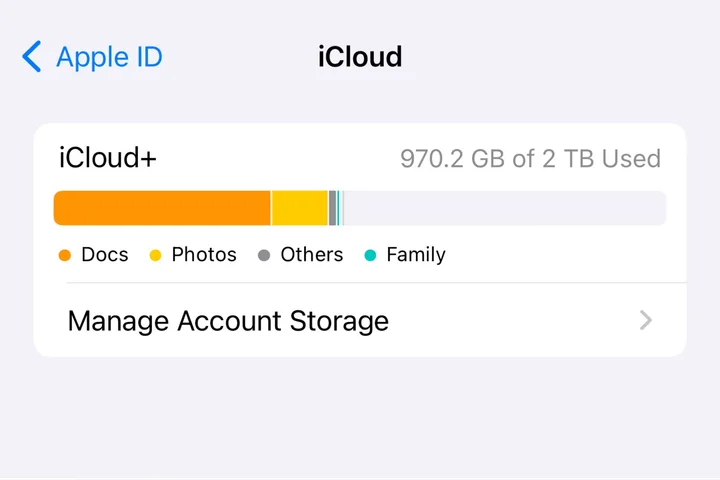
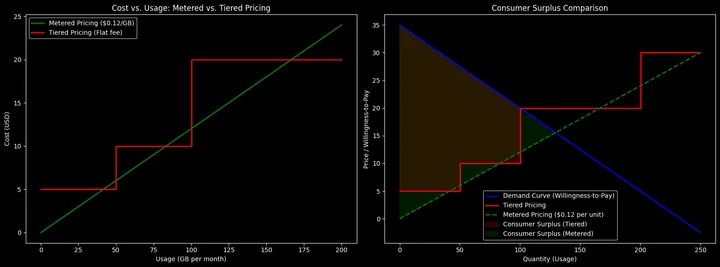
Supports real-time metering and streaming payments, enabling dynamic pricing for DePIN services.
-
Low fees (<$0.0002 per txn) make subscription-free, usage-based monetization possible.
6. AI x Crypto x Gaming
-
Co-Playing Agents (AI Sidekicks): AI assistants automate tasks like farming, trading, and crafting.
-
Player Chains: Game-specific rollups where players run nodes, get rewarded with in-game perks and assets.
-
Modding becomes programmable and monetized—community-led game governance.
7. Specialized Rollapps
-
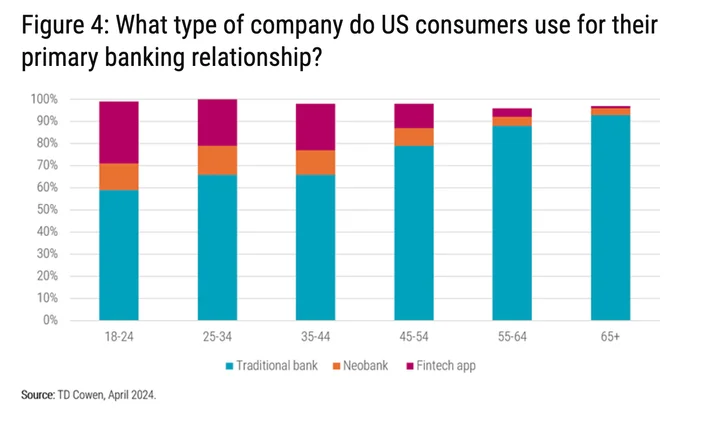
Banking Rollapp: Combines KYC, programmable finance, and traditional rails (cards, credit scoring).
-
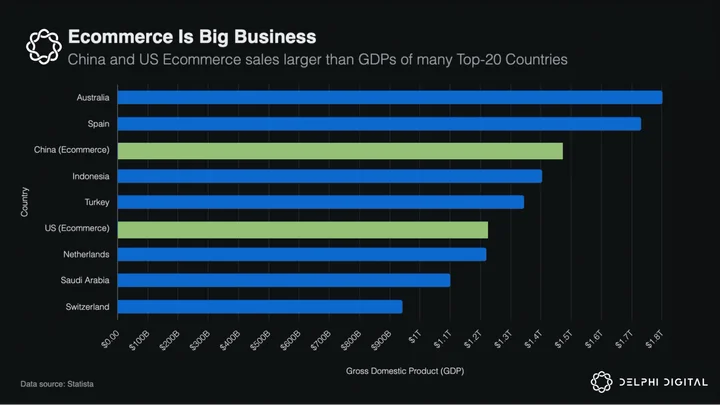
Ecommerce Rollapp: Real-time supply chain, loyalty points, verified reviews, tokenized inventory.
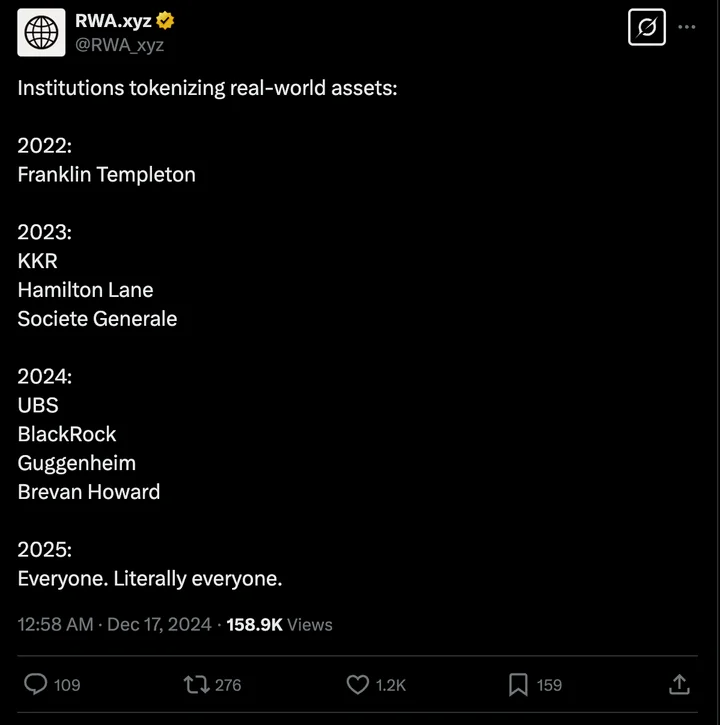
8. Real-World Asset Tokenization (RWA)
-
Native assets with programmable hooks: Automate compliance, payouts, access, and valuation (e.g., rent, trading hours, KYC).
-
Hooks allow assets to behave with programmable rules while maintaining onchain efficiency.
Conclusion & Strategic Direction
Challenges
-
Ecosystem lag: Fuel’s infrastructure is ahead of its application adoption; current TVL and activity remain low.
-
App-layer focus needed: Building core primitives is not enough—unique, high-impact use cases are essential to differentiate.
Strategic Priorities
-
Expand Developer Community: Promote Sway as a go-to language with best-in-class tools and docs.
-
Enable Novel Apps: Prioritize non-cookie-cutter apps uniquely enabled by Fuel’s architecture.
-
Incentivize Ecosystem Growth: Token incentives + enterprise partnerships to drive adoption of FuelOS rollups.